Fighting in the same channels with a fraction of the budget
A Buffalo firm's CEO describes the early mistake as trying to compete in the same places as the biggest spenders, and getting buried by their budgets.
The head searches, the TV spots, and the billboards go to whoever spends the most. A small or mid-size injury firm wins somewhere else: on the map, in the answers people get when they describe what happened to them, through the lawyers who refer cases, and by knowing what each signed case really costs. As your Fractional CMO, I build that marketing and run it, in-house marketing without the overhead.
We asked Google about injury situations in ten markets. It gave an AI answer to all 10 questions and named specific firms in 5 of them. On 5 head searches like "car accident lawyer" plus a city, it gave no AI answer at all.
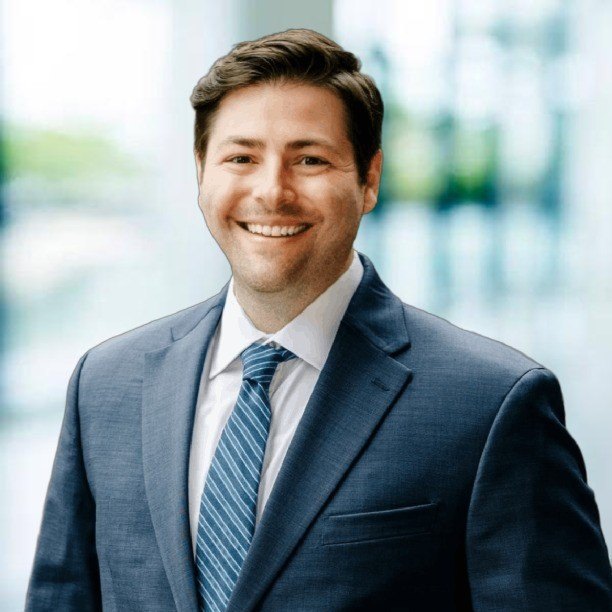
I'm Joshua David Little. I've run my own consulting firm since 2004, I've helped attorneys prepare complex cases for trial, and I ran the first family-law ad on ChatGPT, before the platform allowed legal-services ads.
On Google, the top bids for a search like "lawyer for a car accident" reach about $485 a click, and many truck-accident searches hit $1,000, the highest figure Google's planning tool gives.¹ Legal advertisers spent $541 million on billboards and other outdoor ads in 2024, by a tort-reform group's count.² Private-equity investors have started buying into injury firms through management companies that run their marketing, intake, and back office.³
A Buffalo firm's CEO describes the early mistake as trying to compete in the same places as the biggest spenders, and getting buried by their budgets.
A Denver co-founder watched an out-of-state firm come into Colorado and put up billboards. When we searched for an injury lawyer in Boise, firms based in Utah and Alabama held places in the results.
A Boston founder who runs billboards says he isn't sure he'll keep them. When leads, cases, and spend sit in different systems, it's hard to say what a case from that sign, or from any other channel, really cost.
The short searches are enormous and expensive: "personal injury lawyer" and "lawyer for a car accident" each run to about 246,000 a month in the US.¹ The questions people ask after a crash are smaller and far more specific: they were rear-ended and offered $2,500, their husband was hit by a semi and is in the hospital, they slipped on a wet floor in a grocery store and broke a wrist.
Those specific questions are where Google's AI now answers. In our research it answered all 10 questions we asked, and in 5 of the 10 it named firms. On the head searches it gave no AI answer, and the map decided who showed first.
We asked ChatGPT the same situations. It also named firms in 5 of 10, though not always for the same questions, and it shared only two firms with Google across all ten. It left out the national advertisers and the self-published "#1" rankings that Google's answers repeated, and it kept telling people to ask who would actually handle their case.
For a fall on a wet grocery-store floor in Chicago, Google named one firm for premises liability, and among its sources was a page about wet-floor falls in Chicago. For a rideshare passenger in Los Angeles, it named two firms, one with a page about Uber accidents in Los Angeles, and cited other firms' Uber-passenger pages. In Charlotte, asked about a son killed by a drunk driver, it named a firm rated 2.4 stars beside firms rated 4.5 to 4.9. Each had a page about that kind of death.
On "car accident lawyer" and "personal injury lawyer" with a city, all five markets we checked opened with three firms on a map. They had between 334 and 3,900 Google reviews each, and every one was listed as open 24 hours.
For the serious cases, ChatGPT picked firms whose own pages said they concentrate on that kind of case, and it cited those pages. For everyday cases it gave a bar referral service and a few phone numbers, with no source shown.
You would never try to compete on Google for a term like "best personal injury lawyer in" your state. What a smaller firm can do is build out its context in more and more areas, so that the person searching and the AI answering can both see the firm fits the situation. That's what I call Context Marketing, and it's ground a smaller firm can hold.
Local Services Ads, the map, and reviews. Google's Local Services Ads charge by the lead and carry the Google Verified badge, and one Boston founder, whose firm asks for reviews as a matter of routine, calls them very effective for his firm. Two things to know going in: calls during your business hours can be charged even when nobody answers, and Google no longer takes manual disputes on bad leads, so each one gets checked and rated, and Google decides on any credit.
A page for each situation you want more of. The truck crash and what to preserve, the store fall, the rideshare passenger, the dog bite and the neighbor's insurance, the low first offer. Each page answers the person in it, in their words, and leads to a resource they can take with them.
Lawyers who refer cases. Many trial firms live on cases other lawyers send them, and many volume firms send out the cases they won't try. Both run better as a system with records and regular updates.
Spanish, where your firm already serves Spanish-speaking clients. One Spanish injury search in Meta's ad library returned about 1,100 ads, and only 4 of 18 injury firms we checked mentioned Spanish on the homepage itself, though more had Spanish pages further in.
Billboards and TV you can't measure. If the firm keeps them, measure them: calls by market, searches for the firm's name, and cost per signed case by channel.
Bought leads. One multi-state founding partner calls lead sellers his biggest competitor, and one he pays. Count them by the signed case, after the leads that were shared, unreachable, or never real fall away, and set that beside what your own channels cost.
Intake. Every paid call that doesn't turn into a signed case is money already spent. We find where qualified callers are lost between the first contact and the signed engagement, and train your intake and sales team to sign more of them.
Start small and measure everything, then put more behind what keeps working. The Boston founder says that if he were starting out today, he wouldn't buy a billboard.
When damages or deadlines change, the marketing can shift toward the higher-value situations your firm handles well, and away from the cases that no longer pay for themselves. Your own lawyers keep the legal detail on your pages current.
Your cases probably come from the town's other lawyers, past clients, and people who know you. Relationship marketing fits that: something useful for the lawyers who send you cases, a steady review routine, and a Business Profile for each office.
A Denver PI owner told a local paper he had no idea he'd have to get into advertising when he started his firm. Plenty of founders end up running the ads, the vendors, and the numbers between hearings, long after the firm has outgrown it.
As your Fractional CMO, I can run the marketing for you, or build, train, and lead a team of your own. Some PI owners want full-time marketers in-house, and a Fractional CMO can lead that team: the people are yours, and I set the strategy, hold the vendors to account, and train your staff.
Finished a coaching program? Keep what worked, and start counting what it brings in.
Instead of trying to convert visitors directly into clients, we strategically capture their information first so we can follow up and nurture the relationship.
Create guides, toolkits, and webinars that help prospects understand their legal situation – positioning you as the expert before they ever call.
Get contact information and permission to follow up by offering something genuinely helpful, not just a consultation request.
Automated emails that continue providing value while keeping your firm top-of-mind during their decision process.
Continuously refine what's working through data – not guesswork – so your results keep getting better.
Know exactly which marketing activities generate clients and how much each client costs to acquire so we know which platforms to amplify and which need more optimization.
How each step looks for a PI firm: A guide to what to do after the insurer's first offer, captured with permission to follow up, a few useful emails while the person decides, testing which situations bring the cases you want, and a cost per signed case for every channel, Local Services Ads and bought leads included.
Offering help first has worked in search for our client firms. Across three client firms and four search campaigns, ads that offered a free resource instead of a consultation converted at 14.1%, against a 5.55% average for legal search ads.⁴
The system is based on best practices that work across industries, so it adapts to any practice area with customized resources and messaging for your specific clients.
On different ground. A firm with a fraction of the budget is unlikely to win the head searches, TV, or billboards. It can win the map in its own area, the situation questions that AI answers, the lawyers who refer cases, and past clients who send their friends. That's where we start.
Count them first. Take what you paid a lead seller over a few months and divide it by the cases that signed and stayed, then do the same for your other channels. Cheaper leads can turn out to be the expensive ones once you see who actually signs. Then you can decide with real numbers in front of you.
Yes, where they fit your plan, and we judge them the way we judge Google and every other channel: by the signed case. In the first ChatGPT ad we ran, before the platform allowed legal-services ads, over 20% of the people who clicked signed up.
No. I can run the marketing for a firm without a team, or lead and train the team you have. Many firms need some of both.
My work in personal injury and medical malpractice has been on the litigation side, helping attorneys prepare complex cases for trial, so I've seen up close how these cases are built and what they're worth.
With what you can measure: a strong Business Profile, a few situation pages for the cases you most want, a way to capture the people who aren't ready to call, and a cost per signed case from the first month. Bigger channels come once you know what works.
It depends on what your firm needs and how much of the work we take on. We set the scope together after your assessment, and there's no long-term lock-in.
¹ Google Ads Keyword Planner, US, average monthly searches and top-of-page bid ranges.
² American Tort Reform Association, Legal Services Advertising in the United States 2020–2024, as reported by Billboard Insider, December 17, 2025.
³ Bloomberg Law, May 26, 2026.
⁴ LOCALiQ, 2026 search advertising benchmarks: attorneys and legal services average a 5.55% conversion rate.
A 45-minute to one-hour video call with me. We map your firm's marketing together on a whiteboard, including where your cases come from today and what each one costs, and you keep the map whether or not we work together.
Currently accepting a limited number of Fractional CMO relationships.