Be the firm other PI lawyers send their hard cases to
For many trial firms, other lawyers are the biggest source of cases. How to become the firm they think of first, keep their trust once they've sent a client, and measure what the relationship brings in.
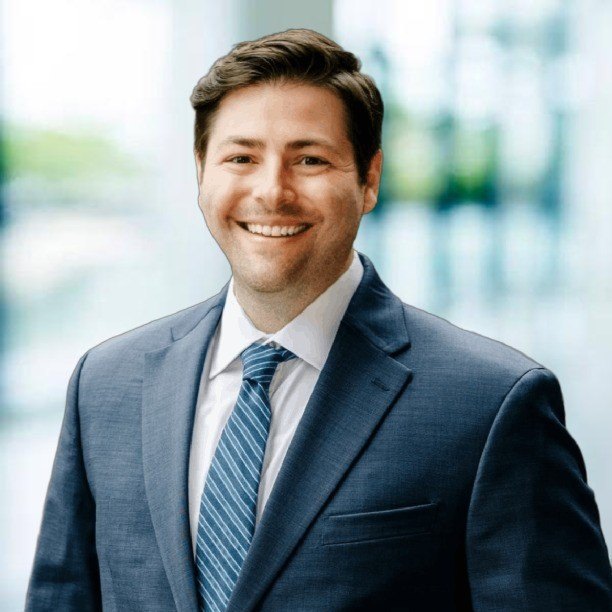
I'm Joshua David Little. I've run my own consulting firm since 2004, I've helped attorneys prepare complex cases for trial, and I ran the first family-law ad on ChatGPT, before the platform allowed legal-services ads.
Where the hard cases come from
Some trial firms are built almost entirely on cases other lawyers send them. A Chicago founding partner describes his firm that way, with many of the big advertising firms in his area sending him their cases. A Connecticut injury firm's director of operations puts their share of attorney referrals at about half.¹
The cases that arrive this way are often the hard ones. In the Chicago partner's experience, the referring lawyer has usually run out of options short of trial: the offer is low, or there isn't one. Some firms that advertise heavily send the cases that need a trial to lawyers they trust, and the Chicago partner's firm is built on them.
That trust can be built on purpose. It can also be lost quietly, one unreturned call at a time.
What a referring lawyer wants
Three things, mostly. They want the case handled well. They want their client looked after. And they want to know what's happening without having to chase it.
The Chicago partner sets the bar high: once a referring firm sends a client, it should never hear from that client again with a complaint about no contact.
That standard answers the two complaints that led in the injury clients' reviews we read, in English and Spanish: hearing nothing from the firm, and having the case turned down or dropped. A referring lawyer who hears either from a client they sent you has every reason to send the next one somewhere else.
Communication standards that keep the cases coming
One Florida malpractice and catastrophic-injury firm updates referring lawyers at every major stage of the case, and tells them right away when it declines one.¹ Standards like these work best written down, so they don't depend on who happens to be in the office.
First contact. The referring lawyer hears the same day that the client was reached, and who on your team is handling it.
Stage updates. A short note at each major stage: the case signed, records gathered, the demand sent, suit filed, trial set, the case resolved.
The decline. If you won't take the case, the referring lawyer hears right away, with a plain reason they can pass on to their client. A decline handled well keeps the relationship. A slow or vague one can end it.
The close. When the case resolves, the referring lawyer hears it from you first, with a thank-you.
The case-status report. For lawyers who send you several cases, one page they can read in a minute: each case, its stage, the last contact with the client, and what happens next.
As your Fractional CMO, I write the templates and the report format, set up the record behind them, and train your staff to send them on time. Your team sends them, because the relationship is yours.
Referring cases out as a managed program
Volume firms sit on the other side of the same relationship. Some send out the cases they won't try, and some turn away calls that another firm would take. The leader of one of the largest plaintiff firms in the country has talked publicly about firms turning away cases too soon and losing fees they'd have earned. One national firm's referral network reports 1,176 partners.²
A firm that sends cases out can run it like any other line of work:
- A clear rule for which cases go out, and to whom, by case type and location
- A short list of partner firms, chosen for how they treat clients and how they keep you informed
- The same communication standards you'd expect if you were receiving the case
- A record of every case sent, where it went, and how it ended
A Nashville owner wants calls even outside his firm's practice area, because his firm will make sure the caller reaches the right lawyer. Being the firm that always knows where to send someone is a reputation of its own.
Entering a new state
A firm moving into a new state has no name there yet, and the lawyers already practicing there can be the quickest route in. The first questions are practical: a lawyer licensed to work there, the firm's own license, and an office.
So we start small and measure: a few referral relationships with local lawyers, a Business Profile for the new office, campaigns on the situations you most want, and cost per signed case tracked separately for the new market.
Owning a niche nationally
Some firms build a referral network around one kind of case. A Washington, DC founder has built her brand, and a nationwide referral network, on being the spinal-cord-injury lawyer.
For a niche firm, the lawyers and clinicians who meet these clients first are the audience. That means webinars and short briefings for referring lawyers, and educational material clinicians can use in their own work.
Lawyers outside PI, and the small-town firm
General practitioners, real-estate lawyers, and family and business lawyers all get the call about a car wreck from a client they already serve. A Louisiana founder who helped pioneer lawyer TV advertising points out that most towns have a real-estate lawyer happy to pass an injury case to a friend.
For these lawyers, the useful thing is a one-page guide they can keep: what to tell a client who calls about an accident, what to tell them not to sign, and how to reach your firm. In a small town, the same approach covers most of the firm's marketing: the town's other lawyers, past clients, and the people who know you.
Measuring it
A referral program you don't measure turns back into a list of lunches. When I look at a firm's referral marketing, I usually find no intentional plan behind the relationships at all. Track these:
- Referrals by source: which lawyers sent cases, how many, and when the last one came in
- Signed and kept: of the cases each lawyer sent, how many signed and stayed with the firm
- Time to first update: how quickly each referring lawyer heard the case was in hand
- Declines: how many, and whether the reason went back the same day
- Lawyers who have gone quiet, so someone calls before the relationship fades
Those numbers sit in the same reporting as the rest of your marketing, so you can see what a referred case is worth to the firm beside a case from ads or the map.
Joshua David Little is a Fractional CMO for law-firm owners and the founder of Aquila Law Firm Marketing. He has run his own consulting firm since 2004, and has done hands-on work helping attorneys prepare complex litigation for trial in family law, medical malpractice, personal injury, and unjust enrichment cases. He ran the first family-law ad on ChatGPT, before the platform allowed legal-services ads.
¹ 2026 episodes of a podcast for personal-injury firm owners; and a Florida malpractice and catastrophic-injury firm's profile in Attorney at Law Magazine, July 2026.
² The firm's referral network, on its own "About" page, 2024 figures.