NewsAquila ran the first family-law ad on ChatGPT, before the platform allowed legal-services ads.Read the story →
Aquila

Marketing for medical-malpractice firms that live on referrals

Your best cases come from other lawyers, and most of the calls you get end in a no. As your Fractional CMO, I build your marketing around both: a referral system you can see and measure, pages the AI names when families describe what happened, and a decline that keeps the family's trust and the referrer's.

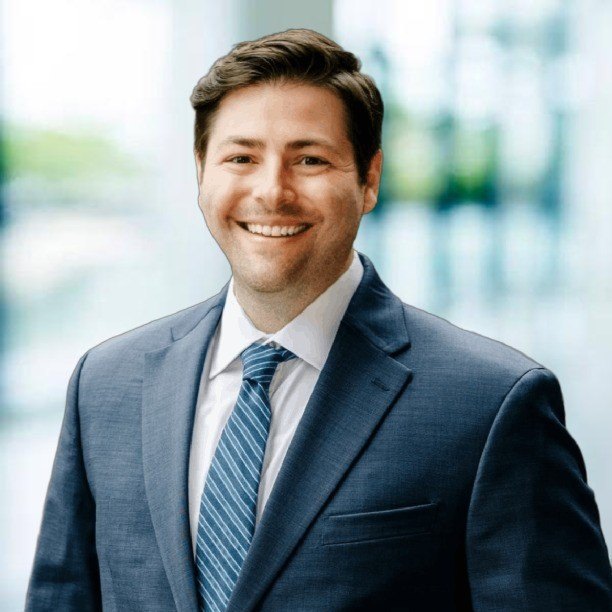
Joshua David Little

I'm Joshua David Little. I've run my own consulting firm since 2004, I've helped attorneys prepare complex cases for trial, and I ran the first family-law ad on ChatGPT, before the platform allowed legal-services ads.

About Joshua →

/ What med-mal firms are up against

Your cases come from lawyers you can't always see, and a marketing report can't tell you what paid

Medical malpractice runs on a few good cases, chosen carefully from a great many calls. Many of the best arrive through another lawyer. Most of the rest have to be turned down. And a case takes years to resolve, so nothing in a monthly report tells you whether your marketing paid.

Referrals

Your referrals are the business, and they're hard to see

One California med-mal firm's co-founder says her firm spends very little on advertising, because its cases come from other lawyers.² It's easy to lose track of which lawyers send them, how many each one sent, and which ones have gone quiet.

Declines

Most of the calls end in a no

One Pennsylvania lawyer told researchers that turning down clearly meritorious cases is routine.³ Every no takes your staff's time, and a no handled badly can cost you the family's trust and the referring lawyer's.

Measurement

A case takes years, so a lead report tells you little

Med-mal cases often take two to four years, and one California firm says about 98% of its cases resolve only after a lawsuit is filed.² A report on clicks and leads can't tell you which of them became a case worth bringing.

/ What families search and ask AI

The plain searches are cheap, and the AI sends families to the specialist with the right page

By Google's own estimates, the plain search medical malpractice lawyer costs about $4 to $37 a click at the top of the page nationally, and it stayed at $75 or less in 9 of the 10 metro areas we checked. Searches about a specific harm cost as much as injury work: up to about $350 for lawyer birth injury and about $550 for wrongful death attorney.⁴

The AI answers are where the specialists show up. When we asked Google's AI about families' situations in ten cities, it named firms in 8 of 11 answers, and the firms it named usually had a page for that exact harm in that state: a medication-error page in Charlotte, misdiagnosis pages in Boise. ChatGPT named firms for 10 of the 12 family questions we put to it. Where both named firms, they agreed more than in any other practice area we've researched, sharing all three in Phoenix and four of five in Seattle, though none in Chicago. Both told families to see a specialist rather than a general personal-injury lawyer.

Who the AI names for medical-malpractice questions in your state
/ Who gets named

The specialist with the exact page gets named, while the map still goes to the injury firms

  • The page for the exact harm, in your state

    A page that lists medical malpractice among car wrecks and slip-and-falls gives the AI little to match. A page about a missed diagnosis, a surgical injury, or a medication error, written for the family that lived through it and carrying your state's facts, gives it something to name.

  • Who reviews the records

    The AI told families to ask whether a firm has nurses or doctors on staff to review their records. If yours does and your site doesn't say so, the AI has nothing to go on. Your nurses, your physician-attorney, and who will actually handle the case belong on the page.

  • The map pack

    In Seattle, the map pack for best medical malpractice lawyer went to injury firms with 700 to 2,000 Google reviews. The med-mal firms in the AI's answer had 7 to 58. Your best results are often confidential, so your proof has to come from somewhere else: how you review a case, who does the work, verdicts you can publish, and what referring lawyers say about you.

    AI search optimization (GEO)
/ The referral system

Make your firm the obvious place to send a case, and know who sends them

Referral marketing for a med-mal firm is marketing to lawyers. Family, estate, business, and general-practice lawyers all get the call about a medical mistake, and most of them don't handle it. One New York firm says many of its referrals come from lawyers who don't practice personal-injury law.⁵ The work is to make your firm the name those lawyers think of, and the firm they trust once they've sent a case.

  1. Map who refers to you

    We trace your recent signed cases back to the lawyer or source that sent each one, and list who else could. It shows which relationships carry the firm and which have gone quiet.

  2. Record every source

    Every inquiry is logged with where it came from, and your staff are trained to ask before anything else happens. That record is what lets you thank the right people and see who's worth more of your time.

  3. Keep referring lawyers informed

    We set up an update at every major stage of the case, and a yearly note to each referrer on what they sent and where it stands.

  4. Give referring lawyers something useful

    A page on your site written for referring lawyers. Short pieces that help a family lawyer or an estate planner recognize a case worth sending and know what happens after they send it. LinkedIn posts on what your trials teach, written for other lawyers, with the lessons ahead of the wins.

  5. Show why you're the safer choice

    A lawyer deciding where to send a serious case wants to know you'll prepare it for trial. Your referral page and your posts should show how you choose cases, who reviews them, and what happens in court.

    Referral marketing for law firms
    Free resourceTrace your last 20 clients

/ The decline

Turn down the case without losing the family or the lawyer who sent it

A family that's been turned down can ask the AI why, and it answers. When we asked Google's AI as a family in Denver turned away by three firms, it said most med-mal inquiries are declined and told them to ask each firm for the specific reason. Among the pages it drew on were firms' own pages about why cases get turned down.

  • A page that explains the no

    A plain page on why your firm takes so few cases: the cost of experts, the size of injury a case needs, and the deadline. It helps the family understand, gives the AI something accurate to draw on, and makes the next call easier for your staff.

  • A web tool that helps the family and screens the case

    A free tool on your site that gives a family something useful about their own situation: the questions a med-mal lawyer will ask, the records worth gathering, and the deadline that may apply in their state, in words your lawyers write. To get that, the family answers the questions your lawyers say decide a case, and those answers go straight to your intake team. The family leaves knowing where they stand, and your team knows which calls to return first. It's the same approach I use in my own marketing: give something genuinely useful, and the right people identify themselves.

  • The clock

    Good cases are lost to time. One Texas med-mal firm warns families that with less than a year left on the clock, taking the case may not be possible.⁶ Pages that tell families early, and updates that remind referring lawyers, bring those cases in while there's still time to review them.

  • The referring lawyer hears first

    When you decline a case, a short, courteous note goes to the lawyer who sent it the same day. It helps keep the next one coming.

    We build the pages, the tool, and the notes to referring lawyers, and measure what comes through. If good callers are being lost before they reach a lawyer, we find where and train your intake team to sign more of the qualified ones.

    Law firm websitesIntake consulting and training
    Free resourceThe decline that keeps the family's trust, and the referrer's

/ If you're a personal-injury firm

If your injury firm takes some med mal, or none

  • You take some med mal

    The AI tells families to look for a specialist. If medical malpractice is one line in your list of practice areas, give it its own pages, its own team page, and its own path through your site, so families and the AI can see a team that does this work.

  • You don't take it

    Some PI firms turn med-mal callers away with nothing. We can help you measure what each choice for those callers brings back.

  • You're adding a med-mal practice

    Pages for the harms you'll handle, an announcement to the lawyers who already refer to you, and a plan for LinkedIn, so referring lawyers and the AI both learn you do it.

  • You advertise at volume

    A few severe cases sit inside a large flow of calls. Finding them is measured the same way as everything else: by the signed case.

    Personal injury marketing
/ Clicks and cases

A cheap click doesn't make a cheap case

The plain med-mal searches look cheap for reasons that don't help you. The low bids show little competition for them, and a general click is rarely a case: one California firm says it accepts about 2% of the cases it's offered involving living patients, more than most firms. Cheaper clicks can simply mean worse clients. The clicks you pay more for, on a child's birth injury or a death after surgery, may be the ones that sign.

If an agency quotes you $50 to $300 a click, compare it with what Google's own planning tools show for the same searches. Then measure the number that counts: what a signed case costs you, followed from the source to screening, acceptance, filing, and resolution. In med mal that means waiting years for the answer, so the tracking starts on day one.

What a legal client really costsBefore you sign a legal-marketing contract

Where the pages go deeper

/ Kinds of med-mal practice

Missed or late diagnosis · Surgical errors and "known risk" · VA, military, and other federal claims · Dental and cosmetic cases · Firms in states that cap damages

Birth injury, nursing-home neglect, and wrongful death after medical care are on

Catastrophic and medical injury cases

How

How each step looks for a med-mal firm: For a med-mal firm, the resources are written for referring lawyers as much as for families, the pages answer the questions families ask after something went wrong in their care, the follow-up keeps referrers informed through every stage, and the tracking runs from the first source to the signed case, however many years that takes.

/ Where this comes from

Built by someone who has helped attorneys prepare med-mal cases for trial

Before I built marketing for law firms, part of my consulting work was helping attorneys prepare medical-malpractice cases for trial. I've seen what it takes to work up one of these cases, and why firms take so few. That's where this page starts: the referral and the decline.

FAQ

Will this work for my practice area?

The system is based on best practices that work across industries, so it adapts to any practice area with customized resources and messaging for your specific clients.

We don't advertise. Why would we need you?

Many med-mal firms don't need more advertising. What they need is a clear view of who refers to them, referring lawyers who are kept informed, pages the AI can name, and a decline that keeps trust. That's marketing too, and it's usually where we start.

Do you run ChatGPT ads for med-mal firms?

Yes, where they fit the plan. I ran the first family-law ad on ChatGPT, before the platform allowed legal-services ads. For a med-mal firm we'd aim them at the questions families ask about deadlines, costs, and whether they have a case, and judge them the way we judge Google and every other channel: by what a signed case costs.

ChatGPT ads for law firms
Can you train the staff who handle our referrals?

Yes. I'll train the people who log sources, send updates, and return calls, and lead them as your Fractional CMO, so the system keeps running between trials.

Building and leading your in-house marketing team
What does it cost?

It depends on what your firm needs and how much of the work we take on. We set the scope together after your assessment, with no long-term lock-in.

¹ Joanna Shepherd, Vanderbilt Law Review 67:151 (2014), reporting a survey of plaintiff lawyers.

² A California med-mal lawyer who co-founded her firm, "Starting and running a successful medical-malpractice firm," Advocate, the magazine of the Consumer Attorneys Association of Los Angeles, November 2023.

³ ProPublica, January 6, 2014.

⁴ Google Ads Keyword Planner, US, top-of-page bid estimates and average monthly searches.

⁵ A New York med-mal firm's page for referring attorneys.

⁶ A Texas med-mal firm's page on finding a medical-malpractice attorney in Texas.

See which lawyers really send your best cases

A 45-minute to one-hour video call with me. We map your firm's marketing together on a whiteboard, including who refers to you today and what families find when they ask the AI, and you keep the map whether or not we work together.

Get my strategic marketing assessment

Currently accepting a limited number of Fractional CMO relationships.