Marketing for catastrophic and medical injury cases: truck crashes, birth injuries, nursing-home neglect, and wrongful death
Lawyers file these cases under personal injury, but the money, the competition, and the way people search look nothing like a fender-bender. What each one needs to be found, and who sends you these cases.
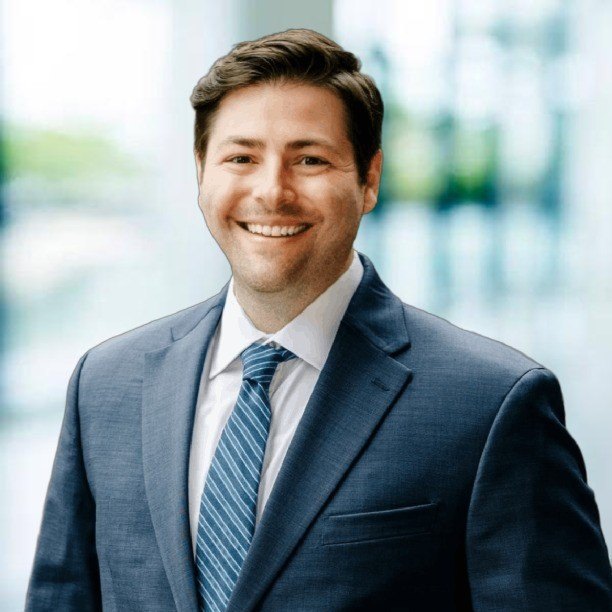
I'm Joshua David Little. I've run my own consulting firm since 2004, I've helped attorneys prepare complex cases for trial, and I ran the first family-law ad on ChatGPT, before the platform allowed legal-services ads.
Why these cases need their own marketing
A car-crash case and a truck-crash case both come in as personal injury. After that they part ways. The clicks cost more, the cases take longer and cost far more to work up, and the people searching are often family members asking about someone else: a husband in the hospital, a newborn, a parent in a care facility, a mother who died after a visit to the ER.
A California malpractice lawyer who co-founded her firm wrote in a trial lawyers' magazine that her firm often spends well over $100,000 on a birth-injury case before experts are even designated.¹ A firm putting that kind of money into each case needs the right cases far more than it needs volume.
My work in personal injury and medical malpractice has been on the litigation side, helping attorneys prepare complex cases for trial. That's why I look at a catastrophic case's marketing the way a trial team looks at the case: what it's worth, what it costs to work up, and who sends it.
Truck and catastrophic crashes
Large-truck crashes injured 161,201 people in the US in 2024.² The searches cost more than almost anything else in law: on many truck-accident searches, Google's planning tool gives a top-of-page bid of $1,000, the highest figure it shows.³
When we asked Google, as a wife in Atlanta, which lawyer to call after her husband was hit by a semi, its AI answer told her to call three firms and mentioned three more, and the pages it cited included firms' truck-accident pages, one of them a firm's own "#1" ranking. ChatGPT, asked the same situation, named three truck firms from their own pages, and none of them were among Google's. It put first the firm whose page says more than 95% of its practice is truck and commercial-vehicle accidents.
So the pages have to say plainly what your firm concentrates on, and answer what a family asks in the first days: what evidence a trucking company holds and how long it keeps it, who might be responsible beyond the driver, and what to do before anyone signs anything. A truck case worked up like an ordinary car crash can cost the family and the firm a great deal. Your pages should show the family that your firm knows the difference.
Some of these cases come from other PI firms that don't try truck cases.
Inline assessment
Want to see what the answers say about truck and catastrophic cases in your market? We'll look together.
Birth injury
On Meta, a search of the ad library for "birth injury" returned about 4,200 ads. On the first screen, 4 of 15 came from lead pages that didn't name a law firm at all.⁴ On Google, "lawyer birth injury" runs to about 2,400 searches a month in the US, at top-of-page bids from about $59 to $350.³
Against national brands and unbranded lead pages, a local or regional firm has its best chance on the specific question. When we asked Google about a baby diagnosed with HIE in Chicago, the AI named firms with pages about HIE, and the answer told parents to look for firms with medical and nursing staff who review the records. Pages and short videos that answer one question each, written for parents in the weeks after a hard delivery, are the kind of material those answers drew on.
Birth injury in Spanish
When we asked Google in Spanish which malpractice lawyer in Los Angeles speaks Spanish, for a baby with cerebral palsy, it named four firms, each for its Spanish service, including one described as offering a free review of the records in Spanish. Spanish-language malpractice searches are small, about 3,800 a month across all their wordings, and birth-related ones barely register.³ The opening is in the answers more than the ads.
If your firm already serves Spanish-speaking families, note what these four firms had: a Spanish page for that exact injury.
Nursing-home neglect
Asked about a parent's stage 4 bedsore in a Phoenix nursing home, Google's AI answered with a table of four firms, ranging from 9 Google reviews to more than 2,500. ChatGPT's three firms for the same question were all in Google's table, and it said it chose one because the firm had a page dedicated to bedsore cases. The clicks run from about $19 to $306 at the top of the page for "nursing home abuse lawyer."³
The person searching is often the resident's adult son or daughter, so the pages speak to them: what the facility was supposed to do, what to ask for, and how to tell neglect from the decline that comes with age.
Neglect and abuse injury cases sit with personal injury. Planning for a parent's care sits with elder law, and an elder-law firm can be a good source of referrals.
Wrongful death after medical care
"Wrongful death lawyer" runs to about 18,100 searches a month in the US, at top-of-page bids up to about $383, and "wrongful death attorney" reaches about $553.³ When we asked Google about a mother who died after an ER missed her stroke, in New York, the AI answer cited firms' pages about missed strokes in the ER and about wrongful death after hospital care.
Many of these families will need a probate or estate lawyer too, which makes those lawyers natural referral partners. Pages that explain in plain words who brings the case for the family and what can be recovered help the family, and a short piece written for estate lawyers gives them something to pass along. Where the case is medical malpractice at heart, the firm's malpractice marketing carries it.
Work injuries beyond workers' comp
Workers' comp usually rules out suing the employer, so the injury case runs against someone else on the job: a subcontractor, an equipment maker, a driver. Private employers reported 2.5 million workplace injuries and illnesses in 2024.⁵
When we asked Google in Boise about a worker hurt by a subcontractor's equipment, the AI explained the difference between a comp claim and a third-party claim. Spanish searches lean toward work injuries: "abogados de accidentes de trabajo" runs to about 1,900 a month, and five advertisers ran Spanish work-injury ads in one ad-library search.³ Firms that handle these cases, and serve Spanish-speaking workers, need pages in both languages that explain the third-party claim before anyone has to ask.
What your own pages have to carry
Each of these case types turns on rules that differ from state to state. Your lawyers write your state's facts. We build everything around them: a page for each injury and situation you want more of, the questions families actually ask, your lawyers' and staff's credentials stated plainly, a resource worth signing up for, and a monthly check of which firms the AI answers name.
As your Fractional CMO, I can run that work for you or train the people on your team who handle it now.
Joshua David Little is a Fractional CMO for law-firm owners and the founder of Aquila Law Firm Marketing. He has run his own consulting firm since 2004, and has done hands-on work helping attorneys prepare complex litigation for trial in family law, medical malpractice, personal injury, and unjust enrichment cases. He ran the first family-law ad on ChatGPT, before the platform allowed legal-services ads.
¹ Advocate, the magazine of the Consumer Attorneys Association of Los Angeles, November 2023.
² National Highway Traffic Safety Administration, Overview of Motor Vehicle Traffic Crashes in 2024.
³ Google Ads Keyword Planner, US, average monthly searches and top-of-page bid ranges.
⁴ Meta Ad Library, US.
⁵ US Bureau of Labor Statistics, private-industry nonfatal workplace injuries and illnesses, 2024.