Ads that all ask for the same thing
Of about 45 family-law ads we looked at on Meta, none offered a guide. A feed full of firms asking for the call leaves plenty of room for the one firm that offers something useful.
People scrolling Facebook and Instagram aren't looking for a lawyer, but plenty of them are living with the problem you solve. We put a useful resource in front of them, follow up with the ones who want it, and stay in touch until they're ready, in Spanish too if your firm serves Spanish-speaking clients.
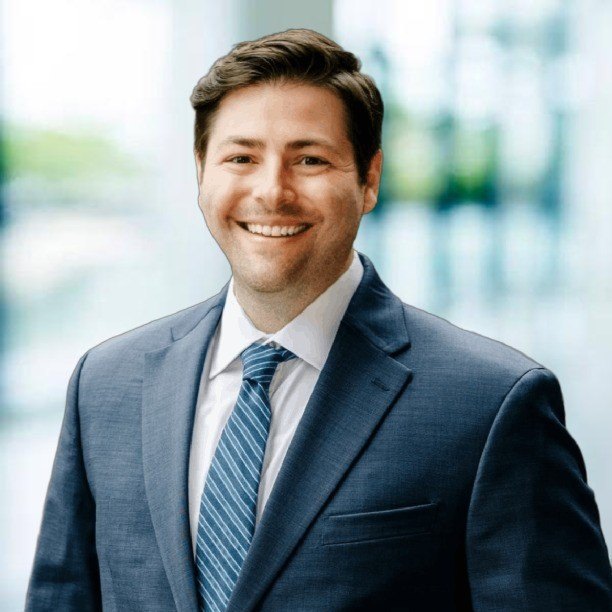
I'm Joshua David Little. I've run my own consulting firm since 2004, I've helped attorneys prepare complex cases for trial, and I ran the first family-law ad on ChatGPT, before the platform allowed legal-services ads.
On Google, people come looking. On Facebook and Instagram, your ad shows up while they're catching up with family or watching videos. An ad that asks someone to book a consultation in that moment is asking a lot of a person who wasn't thinking about a lawyer a second ago.
Of about 45 family-law ads we looked at on Meta, none offered a guide. A feed full of firms asking for the call leaves plenty of room for the one firm that offers something useful.
Someone who isn't ready to call has nothing to do there but leave. You paid to reach them, and you never learn who they were.
Only 4 of 18 injury homepages we checked mentioned Spanish. Spanish-speaking clients search, scroll, and ask their questions in Spanish, and a firm that meets them there in their own language is easier for them to find.
Every person who sees your ad and keeps scrolling is someone you paid to reach. Many of them would have taken a free guide and been glad to hear from your firm while they decided. People can spend months working out a legal problem before they hire anyone, and an ad that only asks for the call skips that whole stretch.
Each ad offers something people in that situation want: a guide, a workbook, or a checklist. It lands on a page built to deliver it and capture who asked.
Meta's Ad Library is public, so before we build anything we look at what your competitors are running: how many ads, what they offer, and what's missing.
Several ad sets run at the same time, each aimed at a different audience, including one with broad targeting. The weakest are cut and the budget moves to what's working.
Short video and plain openings that speak to the moment someone is in. "I want a divorce." Now what? That kind of opening gets someone to read the caption, and the caption leads to the resource.
Everyone who signs up gets the resource and then follow-up that keeps helping. We trace sign-ups through your intake records and compare who signs from Facebook and Instagram with your other sources.
For firms that serve Spanish-speaking clients, the ads, the landing pages, and the follow-up are written in Spanish, and every word is checked by a native-language reviewer before anything runs.
A photo of the firm, a line about experience, and a free-consultation button. It reaches the few people ready to call today.
An ad that offers something useful, a page that captures who asks for it, follow-up that keeps helping, and audiences refined until the right people are seeing it. It reaches the people who'll be ready later, too.
Access to your Meta ad account and Facebook page, both owned by your firm. A review of every ad before it runs. Someone to answer calls and messages, in Spanish too if you're advertising in Spanish, whether that's your own bilingual staff or an interpreter. Someone to answer comments on the ads. If the ads use video, a few hours on camera. In my experience, most clients spend 2 to 3 hours a month across the whole engagement.
With no guides among the family-law ads we looked at, the opening goes to the firm that offers one. A preparation workbook or a guide to the first steps reaches people while they're still deciding, and follow-up keeps your firm in front of them.
For injury firms, the resource answers what people wonder in the days after an accident: what to do first, how to deal with the insurance company, and what to keep. We run it beside the usual "what's your case worth" ad and keep whatever brings in signed clients.
If your firm serves Spanish-speaking clients, we help you reach them in Spanish: ads, pages, video, and follow-up, all written for them. So few injury firms say it on the homepage that the firm that does it well stands out.
Families in these cases need a great deal of explaining before they call anyone. That suits an ad that offers a clear, careful resource first.
For mass tort firms, our work centers on keeping the clients a firm has already signed informed through the long wait, and on the firm's own pages about the tort.
The resource, the page, and the follow-up behind these ads are the same ones our clients run everywhere else.
Ads that offer free guides for people facing a divorce, and new clients at about $200 each.
Over 20% of the people who clicked it signed up for the free workbook it offered.
A 14.1% conversion rate, at $46.29 per conversion. Legal search ads average 5.55%, at $131.63 a lead.¹
The resource your Facebook and Instagram ads offer is the same one your Google ads and ChatGPT ads promote, and every sign-up goes into the same follow-up. Your organic social media and your video give the ads their material. As your Fractional CMO, I decide with you how the budget is split, based on what each channel brings in signed clients.
They can, and it depends mostly on what the ad offers. An ad asking strangers for a consultation competes with every other firm doing the same. An ad offering something useful gives people a reason to raise their hand. We measure yours to the signed client, so you'll know what it brings.
Something a person in that situation would value even if they never hired you: a guide, a workbook, or a checklist. We build it with you.
Yes. Meta's Ad Library is public, and it's one of the first places we look.
If your firm serves Spanish-speaking clients and can answer them in Spanish, yes. The ads, pages, and follow-up are written in Spanish and checked by a native-language reviewer.
Someone at your firm. We plan, write, and run the ads, and your firm approves them before they go out.
Your firm. Your Meta ad account and Facebook page are in your name and stay with you.
It depends on your market and your practice. We set the budget together after your assessment and judge it by what each signed client costs.
¹ LOCALiQ, 2026 search advertising benchmarks: attorneys and legal services average a 5.55% conversion rate and a $131.63 cost per lead.
A 45-minute to one-hour video call with me. We map your firm's marketing together on a whiteboard, with what your competitors are running beside it, and you keep the map whether or not we work together.
Currently accepting a limited number of Fractional CMO relationships.