A welcome from the partners and a tour of the office
It tells people the firm exists. It answers nothing they came to YouTube to find out.
People describe their situation in detail when they look for help. We plan videos around those situations, put each one on YouTube and on the matching page of your website, and link every video to a resource.
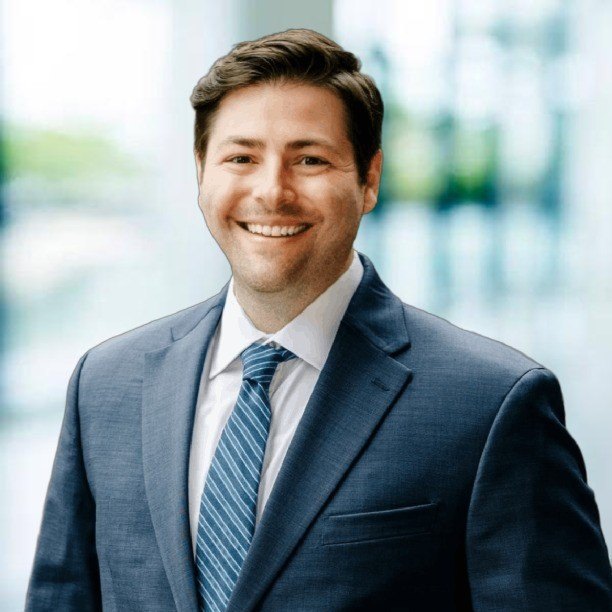
I'm Joshua David Little. I've run my own consulting firm since 2004, I've helped attorneys prepare complex cases for trial, and I ran the first family-law ad on ChatGPT, before the platform allowed legal-services ads. I build every video around the questions people bring to Google and AI assistants about their own situation.
It tells people the firm exists. It answers nothing they came to YouTube to find out.
Few people type their whole situation into Google, but they can describe it in detail to an AI assistant: three kids, a house, a business they own. The answers they get can be matched to those details, and a general video about divorce matches no one in particular.
The viewer who isn't ready to call has nowhere to go. Without a resource to sign up for, the firm loses the chance to help them while they're still deciding.
Callout: When people ask AI for help with a legal problem, the answer is built around their situation. That's why every video we make starts from one.
A video takes real preparation and a lawyer's time on camera. When it's built around the firm instead of the client's situation, it has nothing to be found for, and the people who do watch it have nowhere to go next.
We start with the clients you want and the situations they're in, and pick the ones that come first for your firm's goals.
We write the scripts and direct the recording. Your lawyer explains the situation the way they would to a client sitting across the desk.
Each long video is cut into Shorts for YouTube, and the same clips go to Instagram Reels and TikTok. Some Shorts are recorded on their own, made for the feed, and the cuts make the most of the time your lawyer has already spent on camera.
Every video goes up on YouTube and onto the page of your website about the same situation, so the person reading that page can watch your lawyer explain it.
On every long video, a link in the description and a pinned comment send viewers to a guide, workbook, or tool for the situation in the video. YouTube doesn't let links in Shorts be clicked, so each Short points viewers to the long video it came from.
Viewers who arrive from YouTube go to a page set up just for them, so you can see how many sign-ups, consultations, and signed clients YouTube produced.
The firm uploads videos, counts subscribers, and hopes the views turn into calls.
Each video answers one situation, lives on the page for that situation, and sends viewers to a resource. The page, the video, and the follow-up all work toward the same consultation.
YouTube supplies video for the situation pages on your website and for the work of getting your firm named in AI answers. Every video leads to a resource, every sign-up joins your follow-up, and tracking shows what YouTube produced.
As your Fractional CMO, I set which situations come first, based on the clients you want more of. YouTube ads are part of our paid advertising work.
The questions people ask before they call: whether to save the store's camera footage after a fall, whose insurance pays after a dog bite, and who pays after a rideshare crash.
The situations people describe in detail, like a parent who wants to move away with the children, hidden assets, or a high-conflict custody fight.
Blended families and second marriages, where people want to hear a lawyer explain how a plan protects everyone.
A video about a specific business situation, on a page about that situation, can answer owners well beyond your own city.
"Do I qualify?" and "Is this real?" videos for your firm's own pages.
When we asked Google's AI the questions people ask about their own situations, the firms it named usually had a page for that exact situation, sometimes over firms with far more reviews. Every video we make goes on one of those pages.
Every video sends viewers to a resource, the same way our clients' ads do. These results came from that system, with ads bringing people in.
A 14.1% conversion rate, at $46.29 per conversion. Legal search ads average 5.55%, at $131.63 a lead.¹
New clients at about $200 each, leads at about $21, and about $135,000 in estimated case value.²
If your lawyers can explain the situations your clients face, yes, as long as each video is built around one situation and leads to a resource. We decide together after your assessment.
When we asked Google's AI about people's situations, the firms it named usually had a page about that exact situation, and the videos we make live on those pages and add to them. Every page and video we build is made for the way people ask AI for help.
A video makes the page it sits on more useful to the person reading it, and people search YouTube itself for answers. We track what each video brings in, so you'll see what it does for your firm.
Your firm, along with every video on it.
One recording session can produce several long videos and their Shorts. Most of the work happens before and after, on our side.
Yes, as part of our paid advertising work.
¹ LOCALiQ, 2026 search advertising benchmarks: attorneys and legal services average a 5.55% conversion rate and a $131.63 cost per lead.
² Case value estimated from average case value.
A 45-minute to one-hour video call with me. We map your firm's marketing together on a whiteboard, down to the situations your videos should answer, and you keep the map whether or not we work together.
Currently accepting a limited number of Fractional CMO relationships.