Posts that only say "we're here"
Office closures, holiday greetings, a new associate. Most law firm pages work like a billboard: I exist, call me if you want. People scroll past because the post offers them nothing.
Your firm's Facebook page can be where former clients, referral sources, and neighbors see you between matters. We plan and write the posts, put a useful resource behind each one, and track who signs up, without spending a dollar on ads.
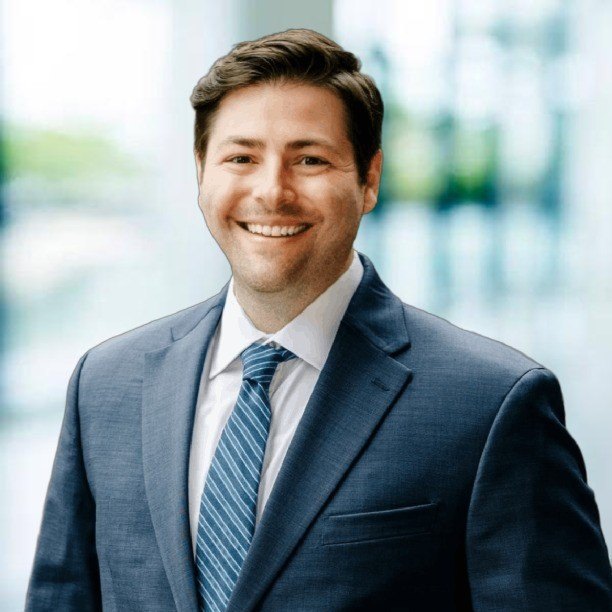
I'm Joshua David Little. I've run my own consulting firm since 2004, I've helped attorneys prepare complex cases for trial, and I ran the first family-law ad on ChatGPT, before the platform allowed legal-services ads. Every post I plan for your page leads into the same system as that ChatGPT ad.
Office closures, holiday greetings, a new associate. Most law firm pages work like a billboard: I exist, call me if you want. People scroll past because the post offers them nothing.
A family firm with years of closed files has clients who will need a modification, enforcement, or a prenup before a second marriage. They already know and trust the firm, and the page rarely gives them a reason to think of it.
In the injury clients' reviews I've read, two complaints come up most: lawyers who don't call back, and firms that drop the case. A page that shows the firm communicating speaks to that worry before it starts.
Callout: If you ask for someone's attention, give them something worth it.
A like tells you someone noticed. It doesn't tell you who they are, what they're dealing with, or whether they'll ever need you. When the page gives people nothing to sign up for, all of that attention ends at the like, and the firm starts over with every post.
We begin with who you want to hear from and what they're going through. Each post speaks to one situation, so the right person recognizes themselves in it.
Stories and results, the questions clients type into Google, answers to the problems they're stuck on, and new ways to look at a situation they think they understand. I'd rather show how your firm handles a situation, and how a client got through one, than post another generic how-to.
Short videos recorded for social, and a talk or interview with your lawyer cut into more videos and posts, give your page what it runs on.
Each post offers a guide, workbook, or tool for the situation it talks about. A comment trigger makes it easy: someone comments a word on the post, and the link to the resource arrives in their Messenger inbox automatically.
A local group, like families in your city, gives people a reason to belong and keeps your firm in front of them. We build one where it suits your firm.
Every sign-up goes into your email follow-up and is tracked through consultation and signing, so you can see which posts brought in clients.
The page grows followers and likes, and the report stops there. No one can tell whether a post ever produced a client.
Each post leads to a resource, each sign-up gets follow-up, and tracking shows which posts produced consultations. Small gains at each of those steps add up to more signed clients at the end.
Facebook is one channel in the Client Magnet System. Your posts build trust, the resource captures people's details with their permission to follow up, the follow-up keeps helping them while they decide, and tracking shows what each step produces.
As your Fractional CMO, I decide with you whether Facebook earns your lawyers' time next to your other channels. When an organic post does well, putting ad spend behind it later is an option.
A local community built around families in your city, and posts that remind former clients the firm is there when they need a modification, enforcement, or a prenup before a second marriage.
Posts about recovery and how a case moves, so clients and their families see the firm communicating. For firms that serve Spanish-speaking families, posts in Spanish.
Former clients and their adult children, reminded to review their plans. Most of this runs through email, and Facebook supports it.
In my experience, LinkedIn usually does more for business firms.
Keeping signed clients informed through a long wait happens mostly by email. Your page can carry public updates and warnings about the scams that follow big litigation.
Every post sends people into the same system our clients' ads do: a resource worth signing up for, a page that captures the person, and follow-up while they decide. With ads bringing people in, that system has produced these results.
New clients at about $200 each, leads at about $21, and about $135,000 in estimated case value.¹
Leads at about $44, booked consultations at $234 each, and about $75,000 in estimated case value from $6,547 in ads, from a campaign built on the Client Magnet System, tracked to the booked consultation.¹
No. This is your firm's own page and community, with no ad spend. If a post does well, putting money behind it later is an option.
In my experience, most clients spend 2 to 3 hours a month on strategy calls, recording, and reviewing, and one recording session can fill weeks of posts.
Your firm, along with everything we build for them.
Each post offers a resource, and every sign-up is tracked through consultation and signing, so you'll see which posts brought in clients.
Organic social builds slowly. In my experience it can take 180 days or more to gain real, lasting traction, and we count sign-ups from the first post so you can watch it build.
Yes. I can run it for you, or train and lead your team to run it, and plenty of firms split the work.
Someone at your firm, so every conversation is with a person who knows your practice.
¹ Case value estimated from average case value.
A 45-minute to one-hour video call with me. We map your firm's marketing together on a whiteboard, with your Facebook page in its place beside every other channel, and you keep the map whether or not we work together.
Currently accepting a limited number of Fractional CMO relationships.