NewsAquila ran the first family-law ad on ChatGPT, before the platform allowed legal-services ads.Read the story →
Aquila
/ Networking strategies

Turn the professionals who share your clients into a source of referrals

The professionals who share your clients can be one of your best sources of new business. We plan which rooms are worth your time, give you something useful to bring each partner, draft the follow-up, and keep track of who sends you clients.

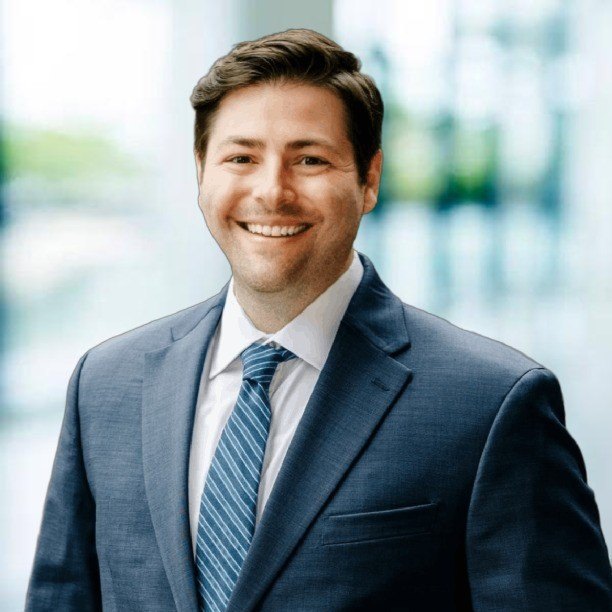
Joshua David Little

I'm Joshua David Little. I've run my own consulting firm since 2004, I've helped attorneys prepare complex cases for trial, and I ran the first family-law ad on ChatGPT, before the platform allowed legal-services ads. I plan networking like any other channel: with something useful to hand over, and a count of who refers.

About Joshua →

/ Why networking stops paying off

The lunch goes well, and then nothing happens

The founder who stopped going

The rooms that built the firm, left behind

Many founders built their firms by showing up. Then the caseload took over. One business-firm founder told me he'd stopped going to bar luncheons and events, and he wanted to get back to running the firm instead of spending 10 hours a day in consultations.

Coffees with no follow-up

Good meetings that go nowhere

A lawyer has lunch with a financial advisor. They agree to send each other clients, and neither hears from the other again. The advisor doesn't know what to look for, and the lawyer has nothing to hand over. Underneath, each side often worries about the other: lawyers that the advisor will give legal advice, advisors that the lawyer will take over the client.

No record

No idea who actually refers

Without a record, a firm can't tell which relationships send clients and which only send holiday cards. So the lawyer's time goes to whoever asked for lunch last.

/ What it costs you

Relationships without intention

What I usually find is that the referral relationships lack intention. People go to the events and have the coffees, and nothing is planned for what happens after. The referrals that should come from those relationships go to the lawyer who stayed in touch.

/ How we build your network

A networking plan that runs on purpose

  • Map who shares your clients

    Financial advisors, CPAs, bankers, therapists, mediators, care professionals, and other lawyers. We work out which of them meet your clients before you do, and which are worth knowing first.

  • Pick the rooms

    One room a month, chosen on purpose: the chamber, an industry association, an owner peer group, Rotary, a church group. Where a room would rather hear a talk, we build one.

    Talks, seminars, and webinars
  • Bring something useful

    My rule is simple. Make valuable things for the people who share your clients, things that help them do their job, and they'll be more likely to send you the client who needs you. A divorce briefing for financial advisors, a one-page checklist a therapist can hand a client, a note for CPAs on what changed this year. One person who signed up for a client firm's guide through its ChatGPT ad was a family life counselor at a church, exactly the kind of partner who meets families long before a lawyer does.

  • Go deep with a few people

    Show up early, leave late, and go deep with 3 to 5 people.

  • Follow up, online and in person

    After the meeting, the lawyer follows up with something useful and connects on LinkedIn, and we keep sharing content made for that partner. We draft every message for the lawyer to send, written the way people actually text.

    LinkedIn for lawyers
  • Invite partners in

    Co-host an event with an advisor or a CPA for the clients you share. It gives the partner something to offer their own clients, and puts your lawyer in front of them.

  • Count who refers

    A simple record of who sends clients, who sends good clients, and who hasn't sent anyone yet, reviewed every month.

  • Who does what

    We plan the rooms, prepare the resources, and draft the follow-up. If someone at your firm keeps the calendar and the referral record, I'll train them to run it.

Traditional vs. the Aquila approach

/ Showing up vs. a networking system
The traditional approach

Showing up and hoping

Go to the events, hand out cards, have lunch with whoever asks. Some months it works. No one knows why, or which relationships to keep.

The Aquila approach

A networking system

The right rooms, something useful for every partner, follow-up that keeps going, and a record of who refers. Your partners get resources they can hand to a shared client, which keeps your firm in front of them between meetings. As your Fractional CMO, I set the rhythm and count the referrals, so networking works alongside your website, your content, and the rest of the system.

The Client Magnet System
/ What your firm gets, and what it gives

We plan and prepare. Your lawyer builds the relationships.

  • What you get

    • A map of the partners who share your clients
    • A calendar of rooms worth your lawyer's time
    • A resource for each kind of partner
    • Follow-up messages drafted for each lawyer
    • A referral record, reviewed every month
  • What your firm gives

    Introductions to the people you already know, and time for the events, coffees, and calls the plan calls for.

By practice area

/ How it works in your practice
  • Business law

    The traditional business-to-business playbook, where a firm reaches companies directly the way a supplier would, carries more weight here. Business firms can meet owners through chambers, industry associations, and owner peer groups.

    B2B marketing for law firms
  • Estate planning and elder law

    Advisors, CPAs, churches, and civic groups, and for elder-law firms, senior centers and caseworkers too. In these practices a referral often carries the most weight.

    Working with financial advisors and CPAs
  • Family law

    Therapists, financial advisors, and mediators who meet your clients first. In a rural or small-town practice, word of mouth can carry the firm.

    Family law marketing
  • Personal injury

    Other lawyers who send the hard cases, and in smaller towns, the relationships that bring in cases no ad would reach.

    Personal injury referrals
  • Medical malpractice

    Lawyer referrals, built the same way.

    Referral marketing for law firms
  • Small-town firms

    A firm that serves a whole region often lives on word of mouth. A plan for the relationships behind it keeps it coming.

    Small-town law firm marketing

FAQ

I don't like networking. Do I have to go?

Someone from your firm has to be in the room, because relationships are personal. But how you do it makes the difference. If you don't like networking, it's probably the phony kind you don't like: meet 50 people, give an elevator pitch, and never talk to any of them again. Show up early, leave late, and spend the time in deep conversations with 3 to 5 people you genuinely connect with and find interesting. The other choice is not to network at all, and then you don't get what it brings.

Which events are worth it?

The ones where the people who share your clients spend their time. For a business firm, that's often the chamber or an industry association. For an estate firm, advisors' events and civic clubs. We choose them with you, and the referral record shows which ones paid off.

What do I bring?

A resource your partner can hand to their own client, built for the situation they see most. It's the reason they'll remember you.

Do you do the follow-up for me?

We draft every message, and your lawyer sends it, so the relationship stays theirs.

How do we know it's working?

The referral record. Every month you'll see who sent clients, which relationships are warming up, and where your lawyer's time is going.

Make your relationships send you clients

A 45-minute to one-hour video call with me. We map your firm's marketing together on a whiteboard, including who already shares your clients and where to start, and you keep the map whether or not we work together.

Get my strategic marketing assessment

Currently accepting a limited number of Fractional CMO relationships.